Learn more about cyber risk monitoring. With cyber risk management, companies can identify, prioritize, manage, and monitor potential risks to information security efficiently. In this guide, we’ll look at cyber risk monitoring closer to understand how it works and how organizations can benefit from it, as well as compare proactive vs. reactive security approaches.
<H2> What Is Cyber Risk Monitoring?
Cyber risk or process monitoring is a crucial component of cyber risk management. This methodology focuses on observing and analyzing networks and IT systems to prevent cyber attacks.
The key objective of security monitoring is to quickly identify signs of threats and vulnerabilities and respond to them promptly. Effective cyber risk monitoring tools provide endpoint protection, as well as autonomous threat detection and prevention, helping mitigate cyber risks in real-time. Furthermore, by continuously monitoring potential cyber threats, organizations can meet regulatory compliance, as many regulatory requirements are built around the detection and prevention of cybersecurity risks.
<H2> How Cyber Risk Monitoring Works
Cyber risk monitoring is an ongoing process that ensures the detection, analysis, and response to cybersecurity threats in real or near real-time. Key components of continuous monitoring include:
<H3> SIEM or Security Information and Event Management
SIEM systems are used by security teams to collect, manage, and analyze data received from network infrastructure via devices or endpoints that act as data sources. With a SIEM system, the data aggregation process provides a centralized dashboard through which teams gain a complete view of the IT environment. This allows security teams to see what’s happening and ensure that cybersecurity systems are operating as intended.
By implementing SIEM solutions, organizations can:
- Process large amounts of data from various endpoints to detect potential threats and respond quickly.
- Automate data collection and analysis, which is valuable for compliance teams to ensure compliance with regulations.
- Achieve full-network visibility by connecting to multiple endpoints and network devices/applications, identifying potential risks, and creating effective incident response plans.
- Capture and perform real-time analysis of log data.
- Detect phishing attacks and malicious insider threats through correlation and analysis of data from different endpoints.
<H3> Log Management
This is an important aspect of cyber risk management, as networks comprise multiple devices that generate logs for every activity. These sources can be host-centric or network-centric, collecting a variety of data, including VPN connections, SSH connections, registry deletions, website visits, resource access, and other activities, events, and security incidents.
By collecting logs from various sources and storing them in a central repository (either local or cloud-based log storage), security analysts can then use this data to gain actionable insights into risks, anomalies, trends, and other cybersecurity threats. A valuable component of cyber risk management, log data contains crucial information regarding an organization’s security infrastructure.
<H3> IDS or Intrusion Detection Systems
Another essential component in the monitoring and cyber risk management process is IDS systems. They analyze network traffic, activities, and devices to detect malicious activity or policy violations. Through alerts, intrusion detection systems report suspicious activity or patterns so that security teams can quickly respond to potential attacks.
There are two main types of IDS systems: network-based IDS and host-based IDS. Let’s look at them in more detail:
- A NIDS, or network-based IDS, is deployed within the network behind firewalls. This system monitors both inbound and outbound traffic and flags threats.
- A HIDS, or host-based IDS, is deployed on devices with access to the network and monitors only network traffic on a specific endpoint.
IDS systems can use different threat intelligence methods to detect threats. The most common are signature-based and anomaly-based. Organizations often combine these methods to increase the scope, which is also a valuable approach in cybersecurity risk assessments.
<H3> IPS or Intrusion Prevention Systems
Both IPS and IDS are typically combined, as intrusion detection systems do not take action against threats, but only detect them and alert the security team.
By monitoring network traffic, intrusion prevention systems can automatically block or remove malware, as well as strengthen security policies and trigger security measures. The value of IPS systems is that they can perform tasks automatically based on specified parameters, allowing security teams to focus on more complex threats that require cybersecurity experts’ attention.
Intrusion prevention systems rely on signature-based and anomaly-based threat detection, as well as policy-based methods, to detect and block any actions that violate security policy.
IPS and IDS are most often integrated into SIEM systems to enhance cybersecurity monitoring and detect false positives.
Beyond essential components, there are several types of monitoring that cover different aspects of the security infrastructure. Organizations often combine different types to ensure a comprehensive security posture. These include:
<H3> Network Monitoring
This focuses on monitoring and analyzing traffic to identify network vulnerabilities, prevent unauthorized access, and detect suspicious activity. The primary goal of network monitoring is risk mitigation against both internal and external security threats. Organizations can apply tools such as intrusion detection systems, intrusion prevention systems, VPNs, network access control, and firewalls to ensure cybersecurity.
<H3> Endpoint Monitoring
This type focuses on devices connected to the network to protect endpoint devices (computers, mobile devices, routers, IoT), often being an important part of organizations’ security and risk management strategies. When an attacker attempts to gain access to a network by exploiting a vulnerability, endpoint monitoring helps detect and prevent threats and provides alerts to the security team. Endpoint monitoring tools include detection and response systems, antivirus software, and host-based firewalls.
<H3> Application Monitoring
Application monitoring is a continuous process focused on preventing unauthorized access and manipulation of software applications. This is accomplished by identifying potential vulnerabilities and security gaps in the application’s code or design.
<H3> Cloud Monitoring
Key aspects of cloud monitoring include user behavior, workflows, data, and applications within the cloud environment, as well as the interaction of third-party applications with the organization’s cloud assets. This type of monitoring is part of third-party risk management. It helps organizations prevent data breaches and delays, reduce downtime, and ensure smooth business operations. Third-party cyber risk monitoring focuses on both physical and virtual servers in cloud environments. Best practices for cloud monitoring include identity and access management solutions, SIEM systems, and regular security tests and audits.
*CTA* Identify Potential Vulnerabilities And Threats Before They Harm Your Business. Enable Proactive Monitoring And Response To Attacks With Jappware
<H2> Benefits of Cyber Risk Monitoring for Businesses
As a critical element of a cyber risk management program, cybersecurity monitoring ensures a proactive approach to security threats and provides businesses with several valuable benefits:
<H3> Regulatory Compliance
Industry standards and government policies require organizations to adhere to strict data privacy and security regulations. Implementing continuous threat monitoring and risk assessments is among the best ways for companies to comply with regulatory standards.
<H3> Preventing Financial Losses
By leveraging cybersecurity monitoring tools and practices, organizations can reduce the risk of sensitive data breaches and avoid significant losses. In addition to the downtime resulting from an attack, organizations also face lawsuits and fines from regulatory bodies for non-compliance. Therefore, proactively preventing attacks is the best way to avoid financial losses.
<H3> Enhanced Security Posture
Ongoing monitoring is an effective tactic for gaining full visibility into your security system. This allows organizations to strengthen their security and risk posture, thereby preventing future attacks on their systems and networks.
<H3> Early Threat Detection
By continuously monitoring systems and networks, security teams can quickly detect and respond to threats before they cause significant damage. From malware to suspicious activity and unauthorized access attempts, the monitoring system detects all these events and provides alerts.
<H3> Business Stability
Continuous monitoring prevents downtime and ensures your organization can quickly respond to and resolve issues. This way, you can enjoy smooth operations and keep key business functions stable.
<H3> Maintaining Reputation
The primary goal of security investments is to avoid security-related issues and resolve them quickly before significant damage occurs. Beyond financial losses, reputation is a critical aspect for any business. Continuous monitoring helps maintain reputation and customer trust by effectively mitigating risks, as well as promptly detecting and addressing potential data breaches.
<H2> Proactive vs. Reactive Security Approaches
Security can be achieved in a variety of ways. Proactive and reactive methods are two main approaches.
(по зображенням можна зробити такого типу як на прикладі. Текст для Proactive Approach: A proactive approach to security is a preventative strategy aimed at identifying and eliminating threats before they cause damage. Текст для Reactive Approach: A reactive approach to security is responding to incidents after they occur and mitigating the impact of attacks.
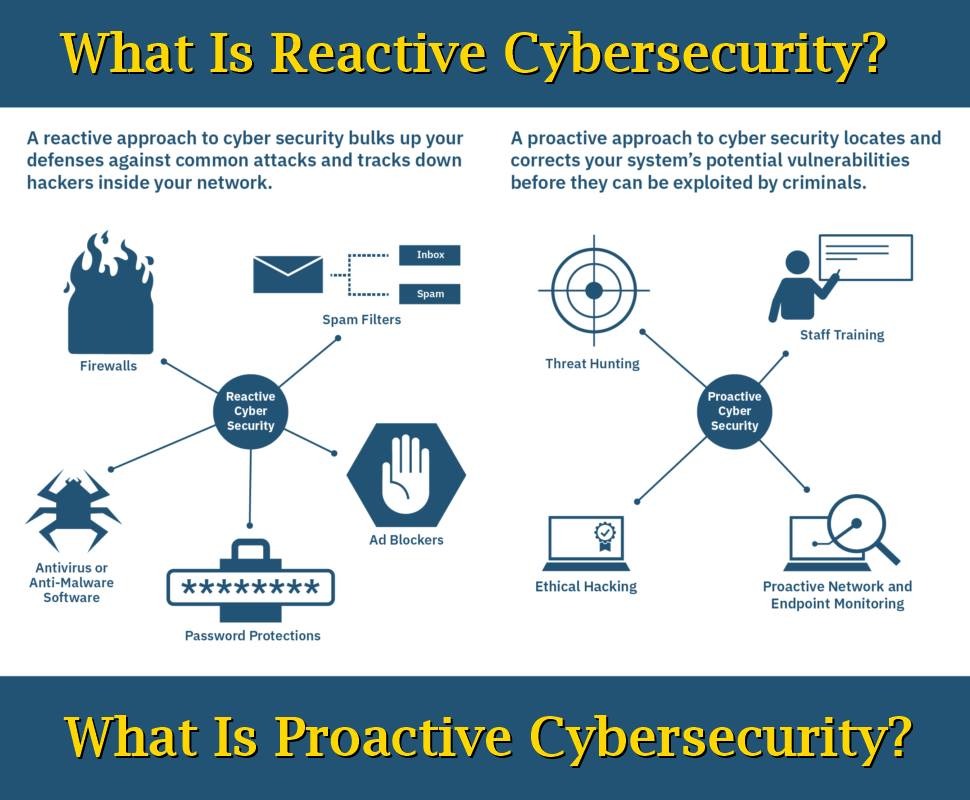
<H3> What is Proactive Cyber Risk Monitoring?
Implementing continuous monitoring is a proactive approach to security. It focuses on identifying and mitigating threats and vulnerabilities before they cause damage to the organization. In other words, proactive means taking targeted actions to prevent something from occurring.
Continuous monitoring and risk assessment include ongoing scanning of the organization’s infrastructure, vulnerability analysis, tracking of abnormal network and user behavior, as well as monitoring for external threats. By implementing monitoring tools, including those based on AI and ML, monitoring systems can predict potential attacks considering behavior patterns. This allows security teams to act proactively, addressing security weaknesses before they are exploited by attackers and minimizing potential damage.
<H3> What is a Reactive Security Approach?
A reactive approach is part of the traditional incident response model, which focuses on post-incident response. In this scenario, security teams take measures after an attack or breach has occurred. Thus, the reactive method means that we start resolving the issue once something has happened.
The primary focus of a reactive approach is on mitigating the consequences, restoring systems, and analyzing the incident. The advantages of this approach include incident response plans and data backups. However, a reactive strategy means that attackers have the first move advantage. This often leads to significant financial losses, reputational damage, and operational downtime, as the organization is forced to deal with a threat that has already occurred.
<H3> Why Cyber Risk Monitoring Enables Proactive Defense
Cyber risk monitoring is an essential part of proactive defense, as it provides complete visibility into an organization’s security posture. Through methods such as continuous assessment of network traffic, user behavior, and system events, this approach enables the detection of signs of breaches in the early stages of an attack. This allows security teams to gain critical time to neutralize threats before an incident escalates.
Continuous monitoring also helps identify vulnerabilities in real time, monitor compliance with security policies, and adapt to the evolving threat landscape. With automation and analytics tools and systems, organizations can effectively allocate resources, focusing on the most critical risks and preventing incidents before they occur.
<H2> Implementing Cyber Risk Monitoring: Best Practices
Implementing cybersecurity monitoring involves several key steps:
- Risk assessment to identify and analyze potential risks in the organization’s infrastructure and prioritize resources to address risk exposures.
- Defining objectives and the scope of monitoring to ensure the cybersecurity strategy aligns with business goals.
- Choosing tools to match your objectives and requirements. These can be cloud-based or on-premises security solutions.
- Developing security policies to define how data is stored, secured, and retained.
- Training employees to ensure they are aware of the importance of cybersecurity monitoring.
- Regularly reviewing the security strategy to update tools, meet requirements, and improve threat detection.
Beyond the implementation steps, here are some best practices in cybersecurity:
- Continuous monitoring of network activity and systems to detect and identify potential threats and attacks in real time before they cause damage.
- Regular audits and risk assessments to discover vulnerabilities in the IT infrastructure, ensure regulatory compliance, and stay up-to-date against modern cyber attacks and new threats.
- The implementation of automation tools, such as SIEM solutions, IDPS, and endpoint detection, ensures immediate threat detection and improves the organization’s security ratings.
- Develop a comprehensive incident response plan that outlines the steps and procedures followed during an attack. This plan should also include regular testing and updates to ensure its effectiveness and minimize damage from attacks and breaches.
<H2> Reasons to Choose Our Team for Cyber Risk Monitoring
Jappware offers custom cybersecurity monitoring solutions. After thoroughly examining your infrastructure, operations, and objectives, our security experts can recommend the solutions that best suit your organization.
With comprehensive tools and automated monitoring capabilities, systems can track and detect any threats and suspicious activity on your networks and endpoints.
By partnering with Jappware, you gain a partner who covers a wide range of cybersecurity needs, from determining the scope of monitoring to technical implementation, creating plans, and maintaining systems up-to-date. Start a project with us and enjoy:
- Constant monitoring and real-time threat detection
- A fully-fledged team of cybersecurity professionals
- Tools and solutions based on AI and cutting-edge technologies
- Comprehensive protection for your entire IT infrastructure
- Compliance with regulatory standards such as PCI-DSS, GDPR, and ISO 27001
Take advantage of tailored cyber risk management and benefit from our security expertise.
<H2> Summary
Continuous monitoring is an effective cybersecurity strategy for tracking, analyzing, and assessing potential threats and risks within an organization’s IT infrastructure. By proactively identifying and mitigating risks, cyber risk monitoring enables early detection of anomalies and attacks, minimizing potential damage.
Furthermore, this approach encompasses multiple layers, such as endpoints, networks, applications, and clouds, providing security teams with enhanced visibility. Implementing SIEM, log management, IDS, and IPS solutions, organizations gain centralized security control, quick incident response, and regulatory compliance, making cyber risk monitoring an indispensable tool for business protection.
What Is Cyber Risk Monitoring and How It Protects Your Business
Cyber risk monitoring explained: how it works, why it matters, and how proactive security helps businesses stay safe from cyber threats.